NRFI Betting Strategy: How to Profit From No Run First Inning Markets in MLB
 Available in US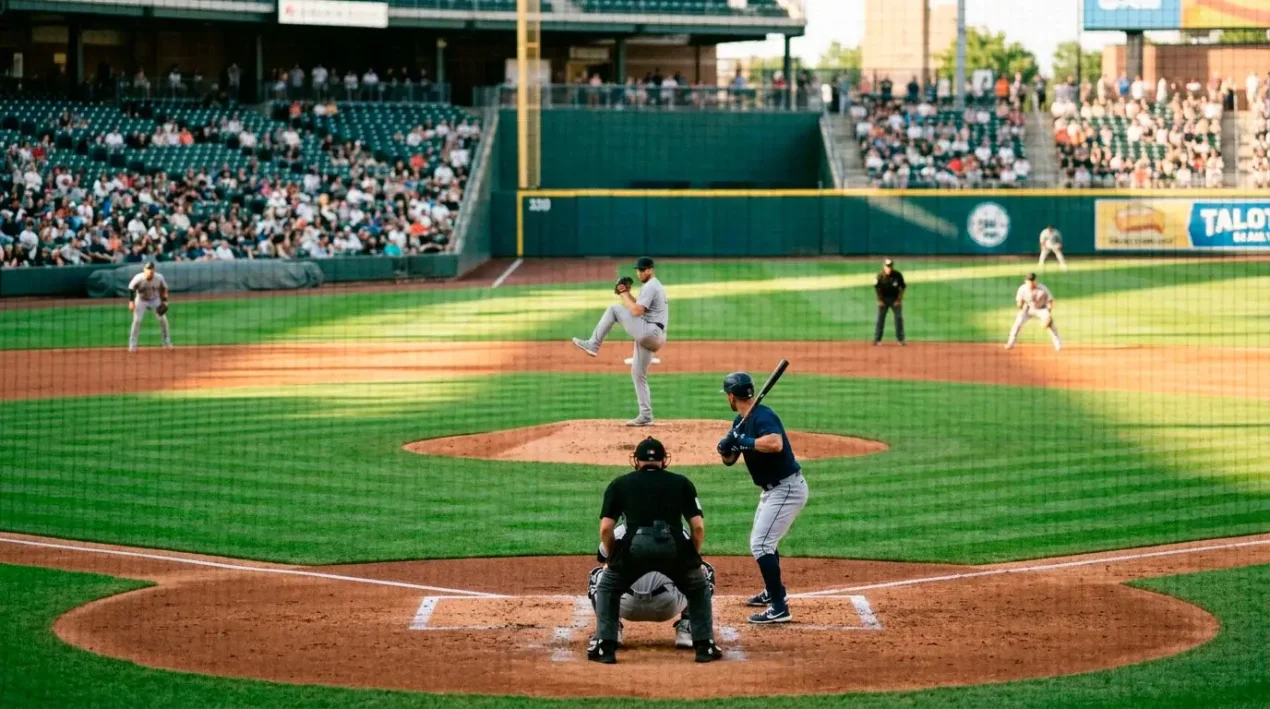
I stumbled into NRFI betting strategy during a Tuesday afternoon slate in June 2021, when I had three separate no-run-first-inning bets land within forty minutes of each other. That wasn’t luck — it was the first time I’d deliberately filtered my card around starting pitcher data rather than gut feeling, and it changed how I approach the first inning entirely. MLB serves up 2,430 regular-season games every year, which means roughly 15 first innings to analyse on a busy day. The market is small, binary and fast — either a run scores in the top and bottom of the first or it doesn’t — and that simplicity is exactly what makes it attractive for bettors who like to grind edges through volume.
NRFI stands for No Run First Inning, and it’s a bet that neither team will score before the second inning begins. Its counterpart, YRFI (Yes Run First Inning), takes the opposite side. Both markets have exploded in popularity across UK-licensed bookmakers over the past two seasons, largely because they settle quickly and reward the kind of pitcher-centric analysis that baseball rewards more than any other sport. What makes this market different from a full-game moneyline or total is its narrow scope: you’re isolating the first inning, which is dominated almost entirely by the two starting pitchers. Bullpen randomness, late-game managerial decisions, pinch-hitters — none of that matters here. It’s the purest pitcher-vs-lineup snapshot in baseball betting, and that purity is where the edge lives.
In this guide, I’ll walk you through exactly how NRFI and YRFI bets work, which pitcher metrics matter most for first-inning scoreless rates, and the situational filters I use to narrow down the daily slate into a handful of high-confidence spots. If you’re already comfortable with first five innings betting, NRFI takes that same logic and compresses it even further.
How NRFI and YRFI Bets Work in MLB
The first time I explained NRFI to a mate who bets on Premier League, he looked at me as if I’d invented a language. “You’re betting on nothing happening?” Essentially, yes. An NRFI bet wins when neither the away team nor the home team scores a single run in the first inning. The moment the third out is recorded in the bottom of the first with no runs on the board, your bet settles as a winner. YRFI is the mirror image — it wins if at least one run crosses the plate in either half of the first inning.
Most UK bookmakers now list these under “first inning specials” or “inning betting” in their MLB sections. You’ll typically see decimal odds in the range of 1.60 to 1.85 for NRFI and 2.00 to 2.40 for YRFI, though these shift significantly depending on the starting pitchers, the ballpark and the lineups posted. The market prices are driven by the league-wide first-inning scoring rate, which hovers around 48-52% of all MLB games seeing at least one run in the opening frame. That means NRFI is roughly a coin flip at the baseline, and the whole game is about finding matchups where the probability tilts meaningfully above 50% in your favour.
One thing that catches UK bettors off guard: NRFI bets require both listed starting pitchers to begin the game. If a late scratch happens and the replacement isn’t the pitcher you built your thesis around, most bookmakers void the bet — but not all. Check the individual bookmaker’s rules before placing, because a voided bet and a losing bet feel very different when you’re tracking results across a 162-game season. I learned that lesson the hard way when a late scratch at Wrigley Field turned what should have been a void into a loss, simply because I hadn’t read the fine print on the platform I was using at the time.
The appeal of this market goes beyond the quick settlement. Because the NRFI outcome is binary and based on a narrow window of play, variance is lower on a per-bet basis than on moneyline or run-line markets. You won’t see the wild 8-7 slugfest that destroys your total bet — the first inning either stays clean or it doesn’t. That lower variance makes NRFI a natural fit for flat-staking bankroll strategies, where you’re grinding out small edges over hundreds of bets rather than swinging for occasional big payouts.
Pitcher Metrics That Drive First-Inning Scoreless Rates
Last April, I had two pitchers with nearly identical ERAs on my shortlist for an NRFI play. One had a first-inning ERA of 1.80; the other sat at 4.50. The overall ERA told me they were equals. The first-inning ERA told me they were miles apart. That gap is where this market rewards the bettor who digs one layer deeper than the surface stats.
The single most important metric for NRFI betting is first-inning ERA, sometimes listed as 1st-inning ERA or FI-ERA on stat sites. It isolates how a pitcher performs in the opening frame, which is structurally different from the rest of the game. In the first inning, a starter faces the top of the opponent’s batting order — typically the best hitters — without the benefit of having already established his rhythm. Some pitchers are slow starters who need an inning or two to settle in; others are at their sharpest when they’re fresh. First-inning ERA captures that distinction better than any season-long metric.
Beyond FI-ERA, I look at three supporting metrics. The first is WHIP (Walks plus Hits per Inning Pitched), which measures how often a pitcher puts baserunners on. A low WHIP starter — anything under 1.10 — keeps the bases clean, which directly reduces scoring probability. The second is first-pitch strike percentage. Pitchers who get ahead in the count early force hitters into defensive swings and shorter at-bats, compressing the inning. Elite first-pitch-strike pitchers sit above 65%, and those innings tend to be efficient and scoreless. The third metric is strikeout rate in the first inning, which ties directly into run suppression: a batter who strikes out can’t drive in a runner.
In 2025, only 30 MLB starters averaged six or more innings per game, which tells you how short the modern start has become. But for NRFI purposes, that trend is irrelevant — you don’t care whether a pitcher goes five innings or eight. You care about his first-inning profile specifically. A five-inning pitcher who dominates the first frame is worth far more for NRFI than a seven-inning workhorse who gives up a run in the opening at-bats.
I also check opposing lineup metrics against the specific pitcher’s handedness. A left-handed starter facing a lineup stacked with right-handed hitters who post a high OPS against lefties is a red flag, regardless of how tidy his overall numbers look. The first-inning matchup is always pitcher versus the top third of the order, so I cross-reference the 1-2-3 hitters’ OPS and wOBA against the starter’s handedness before committing to any NRFI play. This takes an extra five minutes per game, but it’s the filter that separates profitable NRFI bettors from those who are just playing hunches.
Situational Filters: Day Games, Dome Stadiums and Divisional Matchups
There was a stretch during the 2024 season where I went 14-2 on NRFI bets in day games at domed stadiums. I’m not claiming some mystical system — the edge was structural, and it’s one you can replicate once you understand why certain situations suppress first-inning scoring more than others.
Day games are the first filter I apply. Pitchers who start afternoon games in MLB are often working on short rest or coming off a travel day, but the hitters tend to be in worse shape. Day-game lineups frequently feature rested players and bench pieces rather than everyday starters, which means the top of the order — the portion you’re most worried about in the first inning — is often diluted. A lineup featuring a utility infielder batting second instead of a .280 hitter changes the first-inning scoring probability more than most bettors realise.
Dome stadiums form the second filter, and the logic is straightforward: domed parks eliminate weather as a variable. Wind at Wrigley Field can turn a routine fly ball into a home run, and humidity in Houston (before the roof closes) can make a slider behave differently in the first inning than the fourth. At Tropicana Field, Miller Park (now American Family Field) and the other retractable-roof venues, the conditions are constant. You’re isolating the pitcher-vs-hitter matchup without environmental interference, and that stability reduces the chance of a freak first-inning run that had nothing to do with your analysis.
Divisional matchups are a subtler angle but worth tracking. Teams in the same division face each other 19 times per season, which means familiarity cuts both ways. The pitcher has seen these hitters repeatedly, and the hitters have seen him. My data shows that familiarity slightly favours the pitcher in the first inning because he can attack known weaknesses from the first pitch, while hitters in familiar matchups tend to be more patient — willing to work counts and take pitches. That patience extends at-bats but doesn’t necessarily produce runs, especially with a pitcher who pounds the zone early.
I stack these filters in order: start with the daily slate, eliminate any game where either starter has a first-inning ERA above 3.50, then prioritise day games and domed venues. If a divisional matchup hits all three criteria, it goes to the top of the list. On a typical 15-game slate, this process narrows my NRFI card to two or three plays. Some days it’s zero, and that’s fine — the discipline of passing on a marginal slate is worth more than forcing a bet that doesn’t meet the threshold.
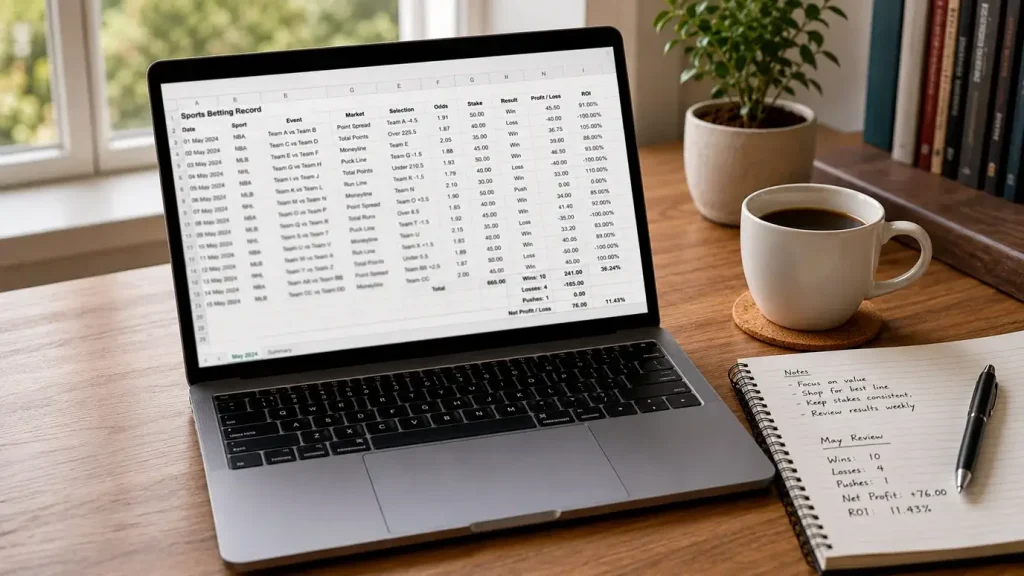
One final point worth emphasising: NRFI edges compound over volume. A 54% win rate at average odds of 1.72 generates a steady drip of profit over hundreds of bets, but it feels flat on any given week. If you need the adrenaline of a big payout, this market isn’t for you. If you prefer the grind — small edges, consistent filtering, and a spreadsheet that slowly trends upward — NRFI is one of the cleanest opportunities in baseball betting.
What does NRFI mean in MLB betting?
NRFI stands for No Run First Inning. It is a bet that neither team will score in the first inning of an MLB game. The bet settles as soon as the third out is recorded in the bottom of the first inning. If no runs have crossed the plate, the NRFI bet wins. Its opposite, YRFI (Yes Run First Inning), wins when at least one run scores in either half of the opening frame.
Which pitchers have the best NRFI records?
Pitchers with the best NRFI records typically combine a low first-inning ERA (under 2.00), a high first-pitch strike percentage (above 65%) and a low WHIP (under 1.10). These tend to be elite starters who pound the strike zone early in counts. Check sites like Baseball Savant and FanGraphs for first-inning splits, and prioritise pitchers who consistently retire the top of the opposing order without allowing baserunners in the opening frame.
This material was created by the bestmlbbetuk.com team.
Related posts

Weather Impact on MLB Betting: Wind, Temperature and Air Pressure Quantified

MLB Betting Mistakes: The Ten Errors That Drain Your Bankroll Fastest